Wondering whether your Mooresville home should earn income through a long-term lease or a short-term rental? It is a smart question, especially in a market shaped by Lake Norman, local events, and visitor demand that can make both options worth a serious look. In this guide, you will learn how the two rental paths differ in Mooresville, what the local legal and tax rules mean for owners, and how to choose the model that fits your goals. Let's dive in.
Why Mooresville Can Support Both
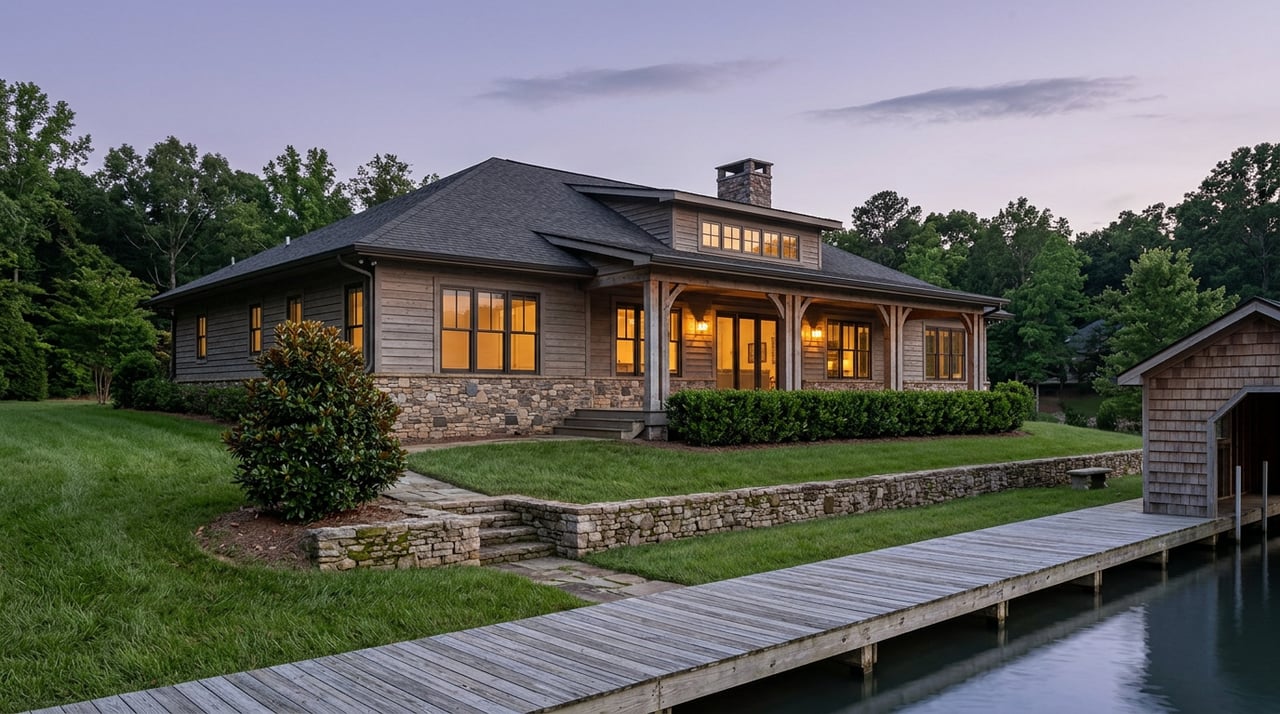
Mooresville has a mix of demand drivers that make this decision less obvious than it might be in other towns. Its location near Lake Norman, proximity to Charlotte, and connection to racing culture and local events create real appeal for visitors.
That matters if you are considering short-term use. A home that fits lake-oriented travel or seasonal stays may have stronger vacation-rental potential here than in a typical inland suburb.
At the same time, that does not automatically mean a short-term rental is the better choice. For many owners, the right answer comes down to how much predictability, flexibility, and hands-on involvement you want.
Start With Your Ownership Goals
Before you compare numbers or fees, it helps to define what you want from the property. The best rental strategy is usually the one that fits how you plan to use the home and how involved you want to be.
If your top priority is steady occupancy and fewer moving parts, a long-term lease often makes more sense. If you want more calendar control or hope to keep the home available for personal use at times, short-term rental use may be more appealing.
A simple way to frame it is to ask yourself three questions:
- How often do you want personal access to the home?
- How much turnover and guest activity are you comfortable managing?
- Are you prepared for the legal and tax structure tied to each rental model?
Long-Term Rental Basics in North Carolina
Long-term leasing usually offers a more stable operating rhythm. Once a tenant is in place, you generally have fewer turnovers, fewer cleaning cycles, and less day-to-day coordination than with short stays.
In North Carolina, longer residential tenancies fall under the state's general landlord-tenant rules in Chapter 42. That legal framework is different from the rules that apply to vacation rentals, so it is important not to treat the two models the same.
For many owners, the biggest practical tradeoff is access. A long-term lease usually ties up the property for a longer block of time, which reduces flexibility if you want to use the home yourself.
Long-Term Deposit and Repair Rules
If you lease your Mooresville home long term, security deposit rules matter. North Carolina caps residential security deposits at two weeks' rent for week-to-week tenancies, one and one-half months' rent for month-to-month tenancies, and two months' rent for longer terms.
The landlord must hold the deposit in a trust account or bond and give the tenant notice of where the funds are held. After the tenancy ends, the landlord must provide an itemized accounting or refund within 30 days.
The law also says you cannot withhold for normal wear and tear. In addition, landlords must keep the premises fit and safe and promptly repair key systems after written notice.
Common Long-Term Expense Buckets
A long-term rental is often described as lower touch, but it is not hands-off. You still need to budget for the core costs of owning and maintaining the home.
Typical expense buckets include:
- Mortgage
- Property taxes
- Insurance
- Repairs and maintenance
- Tenant screening
- Lease administration
- Deposit handling
- Turnover work between tenants
Short-Term Rental Basics in Mooresville
Short-term rentals can offer more flexibility, especially if you want to use the property personally during parts of the year. In a place like Mooresville, that can be attractive for lake-oriented homes or second homes that may also serve leisure travelers.
In North Carolina, the Vacation Rental Act applies when residential property is rented for vacation, leisure, or recreation for fewer than 90 days. That law requires a written vacation rental agreement and expects the agreement to spell out landlord and tenant obligations, deposit handling, and fees.
This is one of the biggest differences between long-term and short-term use. A vacation rental is not just a shorter lease. It comes with a separate legal structure and a more active operating model.
Iredell County STR Rules Matter
If you are planning a short-term rental in Mooresville, local rule tracking is essential. Iredell County says it adopted short-term rental zoning regulations effective January 1, 2024, for properties in its zoning jurisdiction.
However, the county also says enforcement is currently paused because of litigation and will not resume until the court directs otherwise. That means you should check the county's current status before building a business plan around short-term rental use.
A paused enforcement process does not mean the issue goes away. It means staying current is even more important before you make decisions about setup, marketing, or expected income.
Short-Term Taxes and Fees Add Complexity
Short-term rentals are taxed differently from ordinary long-term leases. The North Carolina Department of Revenue says accommodation rentals are subject to state and local sales and use tax and any applicable local room occupancy tax.
The same bulletin says rentals to the same person for 90 or more continuous days are exempt from sales and use tax. It also says cleaning fees, damage fees, pet fees, reservation fees, and facilitator-related charges can be taxable as part of the accommodation receipt.
Mooresville's 2024 annual comprehensive financial report says the town levies a 4% room occupancy tax, and that the combined town and county occupancy tax may not exceed 6%. For owners, that means your bookkeeping needs to be clean from day one.
Common Short-Term Expense Buckets
Short-term rentals often look appealing from a gross revenue standpoint, but they usually come with more moving parts. Frequent turnovers create repeated costs that do not show up the same way in a long-term lease.
Typical short-term rental expense buckets include:
- Furnishings
- Linens
- Cleaning supplies
- Bathroom supplies
- Utilities
- Internet
- Platform or facilitator charges
- Repeated cleaning and restocking
- Tax remittance
The North Carolina Department of Revenue also notes that providers of accommodations typically buy taxable items such as linens, bathroom supplies, cleaning supplies, and furniture. Those recurring operating details can have a big effect on your actual net performance.
Long-Term vs Short-Term at a Glance
If you are choosing between the two, it often helps to focus less on hype and more on fit. Here is a simple side-by-side view of how the models differ.
Factor | Long-Term Rental | Short-Term Rental |
|---|---|---|
Owner access | Limited during lease term | More flexible calendar access |
Turnover frequency | Lower | Higher |
Day-to-day operations | Simpler | More active |
Legal framework | NC Chapter 42 | NC Vacation Rental Act |
Tax structure | Generally simpler | Sales, use, and occupancy taxes may apply |
Furnishing needs | Often lower | Usually higher |
Cleaning cadence | Occasional | Repeated between stays |
Income style | More predictable | Can vary with demand and seasonality |
When Long-Term Rental May Be Better
A long-term lease may be the better fit if you value consistency and want fewer operational demands. This option often works well when your main goal is dependable occupancy and a simpler management rhythm.
It can also make sense if you do not plan to use the property personally very often. If personal access is not a priority, giving up some flexibility may be worth the trade for a more predictable setup.
Long-term leasing is often the lower-touch option, but you still need to follow deposit rules, repair obligations, and standard landlord responsibilities carefully. The simpler path is not the same as a no-work path.
When Short-Term Rental May Be Better
A short-term rental may be the better fit if your home is well positioned for lake visitors or leisure stays and you want more control over the calendar. This can be especially appealing for second-home owners who want to balance personal use with rental income.
It may also make sense if you are prepared for more active operations. Turnovers, guest-facing supplies, fee tracking, and tax handling all become a larger part of the business.
In practice, short-term rental use can work well for the right Mooresville property type, particularly when flexibility matters more than simplicity. But that flexibility comes with more compliance and more operational friction.
When Professional Management Becomes Valuable
Management support becomes especially important when you do not want to handle rule changes, bookkeeping, repair calls, or turnover logistics on your own. That is true for both long-term and short-term rentals, but the pressure points are different.
For short-term rentals, management can be particularly useful when you need help monitoring local rule changes, collecting and tracking taxes, coordinating repeated cleanings, and staying on top of deposit and agreement requirements. It can also help with the newer legal duties around human-trafficking awareness training and reporting procedures for certain staff involved with vacation rentals.
For long-term rentals, management can help with tenant placement, screening, rent collection, maintenance coordination, reporting, and statutory deposit handling. If you live out of town or simply want a more hands-off ownership experience, that support can protect both your time and your asset.
A Smart Decision Framework for Mooresville Owners
If you are still unsure which route fits your home, keep the decision practical. Start with your expected level of personal use, then weigh how much turnover you can realistically support.
Next, look at the legal and tax structure, not just the top-line income idea. In Mooresville, a short-term rental can benefit from local visitor demand, but it also brings more active management, more fees, and more compliance considerations.
For many owners, the best answer is not about which model sounds more exciting. It is about which model fits your property, your goals, and your tolerance for ongoing operations.
Whether you are buying with rental potential in mind or deciding how to position a home you already own, working with a local team that understands both the Lake Norman lifestyle and the realities of property operations can make the choice much clearer. If you want help evaluating your Mooresville home as a long-term or short-term rental, connect with Southern Charm Realty & Retreats for local guidance tailored to your goals.
FAQs
Should a Mooresville homeowner choose a long-term or short-term rental?
The better choice depends on your goals. Long-term rentals usually offer more predictability and fewer turnovers, while short-term rentals usually offer more flexibility and a more active operating model.
What laws apply to short-term rentals in Mooresville, NC?
In North Carolina, the Vacation Rental Act applies when residential property is rented for vacation, leisure, or recreation for fewer than 90 days, and Iredell County says short-term rental zoning regulations are currently under paused enforcement pending litigation.
Are short-term rentals taxed differently in Mooresville, NC?
Yes. The North Carolina Department of Revenue says accommodation rentals are subject to state and local sales and use tax and any applicable local room occupancy tax, and Mooresville levies a 4% room occupancy tax.
What are the security deposit rules for long-term rentals in North Carolina?
North Carolina caps residential security deposits based on lease length, requires the deposit to be held in a trust account or bond, and requires an itemized accounting or refund within 30 days after the tenancy ends.
Is a short-term rental in Mooresville more work than a long-term lease?
Usually, yes. Short-term rentals often involve more turnovers, more guest-facing supplies, more cleaning, and more tax and fee tracking than a long-term lease.
When should a Mooresville rental owner consider professional management?
Professional management becomes especially helpful when you want support with local compliance, turnovers, maintenance coordination, rent collection, deposit handling, tax tracking, or ongoing day-to-day operations.