If you own a lake home in Sherrills Ford, you may be wondering whether it could do more than sit empty between your visits. With Lake Norman drawing visitors for boating, swimming, fishing, dining, and laid-back weekends on the water, a well-positioned home can appeal to travelers looking for that lake-first experience. The key is turning your property into a vacation rental the right way, with a clear plan for compliance, guest experience, pricing, and upkeep. Let’s dive in.
Why Sherrills Ford Appeals to Vacation Renters
Sherrills Ford benefits from its location on Lake Norman, the largest man-made lake in North Carolina with about 32,500 acres of water and 520 miles of shoreline. The area is closely tied to boating, waterfront dining, paddling, fishing, and outdoor recreation, which gives vacation rental owners a strong lifestyle story to offer guests.
The local draw is not limited to private docks. Lake Norman State Park adds public shoreline access, a swim beach, hiking and mountain-bike trails, boat rentals, and a boat ramp. That helps broaden the appeal of a Sherrills Ford stay for guests who want water access and outdoor activity, even if they are not bringing their own boat.
Start With Use and Zoning
Before you think about furniture, photos, or nightly rates, confirm that your property can be used the way you intend. A lake home is not automatically approved for vacation rental use just because it is on the water.
Catawba County Planning regulates land use in county-regulated areas, and some projects may require zoning permits, special use permits, variances, or other reviews. The county is also updating its Unified Development Ordinance in 2025, so it is especially important to verify the current rules for your specific parcel before you list the home.
It also helps to understand that not every lodging use is treated the same. County code includes separate rules for bed-and-breakfast operations, and those owner-occupied rules are different from a whole-home vacation rental. If you are planning a rental strategy, make sure the intended use matches the code that applies to your property.
Understand North Carolina's Vacation Rental Rules
In North Carolina, a vacation rental is generally residential property rented for vacation, leisure, or recreation for fewer than 90 days by someone whose permanent residence is elsewhere. That matters because once your home fits that definition, the Vacation Rental Act shapes how you handle the agreement, fees, deposits, and refunds.
A written vacation rental agreement is required. Under state law, that agreement becomes enforceable only when it is accepted by signature, payment, or possession. In practical terms, that means your paperwork should be clear, complete, and in place before the stay begins.
The law also covers advance payments, security deposits, processing fees, cleaning fees, and refund rules. If you charge cleaning or processing fees, they must be disclosed in the agreement and reasonably tied to actual costs.
Build a Compliance-First Setup
A vacation rental works best when compliance is part of your setup from day one. This is especially true for a waterfront property, where safety, access, and maintenance can become more complex than they are in a standard home.
A smart starting checklist includes:
- Confirm zoning and parcel-specific county rules
- Use a written vacation rental agreement
- Clearly disclose cleaning, processing, and deposit terms
- Install and maintain smoke detectors and carbon monoxide alarms
- Keep the property fit and habitable
- Create a storm or evacuation communication plan
- Review any management-related training or documentation duties
There is also a newer requirement to watch. For vacation rentals initially offered for lease on or after July 1, 2025, the property manager must complete human-trafficking awareness training before the rental is offered, and certain employees, contractors, and facilitators may have notice or certification duties.
Think Like a Guest
Many Sherrills Ford visitors are not just booking a house. They are booking a lake weekend. That means your home's success often depends on how easy and enjoyable the stay feels from arrival to checkout.
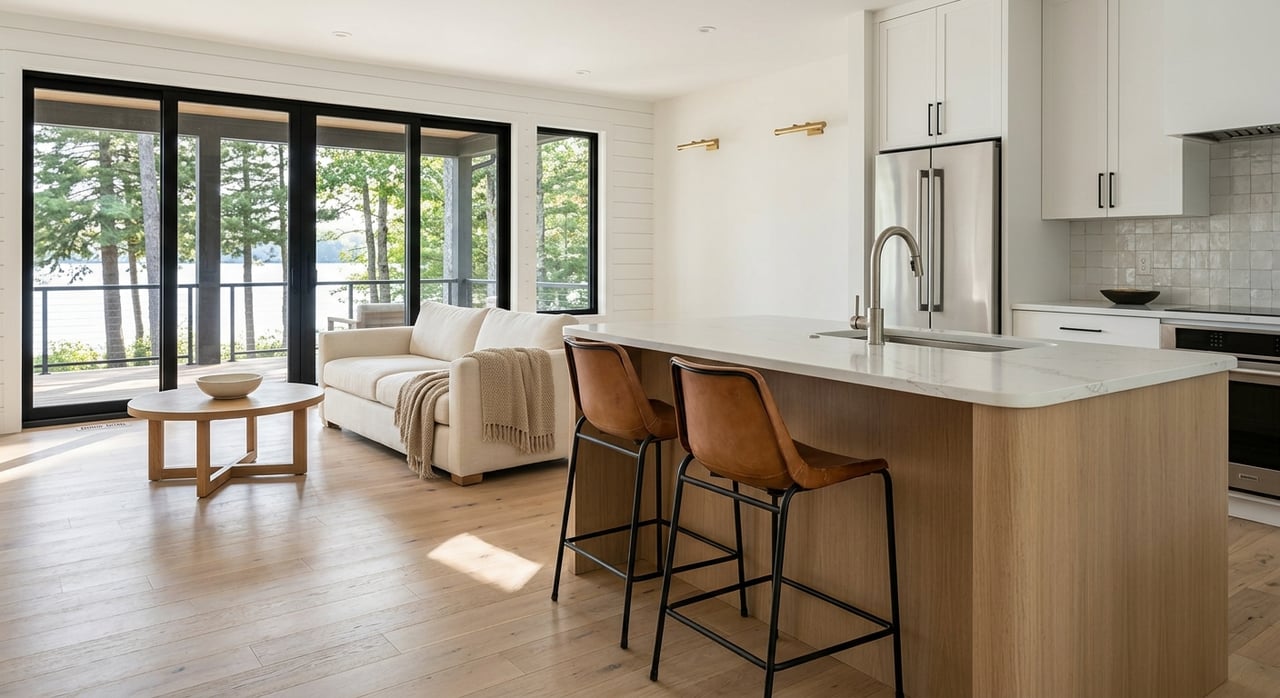
In this setting, guests are often paying for water access, views, outdoor living, group-friendly space, and easy parking. A polished kitchen matters, but so do the things that support the actual trip, like dock condition, comfortable seating outside, dependable air conditioning, and smooth check-in.
If your home is meant for part-time personal use and part-time rental income, this is where strategy matters. The best properties balance owner enjoyment with features that make the stay easy for guests.
Features That Often Matter Most
For a Sherrills Ford lake home, likely guest priorities include:
- Shoreline usability
- Dock condition and access
- Water views
- Bedroom count
- Parking capacity
- Outdoor seating and gathering areas
- Pet policy
- Reliable cooling and humidity control
- Fast, simple turnovers between reservations
These details help shape both guest satisfaction and revenue potential. They also affect how much operational support the home will need between stays.
Plan Around Seasonality
Lake-home demand is rarely flat all year. Around Lake Norman, the strongest draw tends to align with warmer weather and outdoor activity.
Climate normals from nearby Charlotte help explain that pattern. The average July high is 90.3°F, while the average January high is 52.3°F, which supports a stronger spring, summer, and fall rental season with a softer winter shoulder period.
That does not mean winter is irrelevant. It means your pricing, maintenance schedule, and owner-use calendar should reflect the fact that a lake home usually performs differently in peak boating months than it does in cooler periods.
Seasonal Planning Tips
- Reserve peak dates early if you want personal use in summer
- Budget for higher turnover activity in warm-weather months
- Use slower periods for repairs, deep cleaning, and updates
- Make HVAC and dehumidification checks part of routine maintenance
- Review storm-readiness plans before the busier season
Price With Taxes and Fees in Mind
Nightly pricing is not just about what nearby homes appear to charge. Your pricing also needs to account for taxes, operating costs, and the fee structure allowed under North Carolina law.
In North Carolina, accommodation receipts are subject to the 4.75 percent state sales tax plus the applicable local and transit rate. The North Carolina Department of Revenue places Catawba County in the 7.00 percent combined general-rate group, and gross receipts from accommodations are also subject to any local occupancy tax.
That means your rate strategy should consider more than the headline nightly number. It should reflect taxes, cleaning costs, guest support, turnover labor, and any taxable facilitator charges that may affect the final booking total.
Because cleaning and processing fees must be disclosed and reasonably tied to actual costs, fee design is part of your business plan, not a last-minute add-on. For many lake homes, those costs can be meaningful because turnovers often involve linens, outdoor cleanup, dock-area checks, and faster response times.
Protect the Home Like an Asset
A vacation rental is still your property asset, and lake homes need regular attention. North Carolina law requires the landlord to keep the premises fit and habitable, comply with building and housing codes, and provide and maintain smoke detectors and carbon monoxide alarms.
For a waterfront home, that standard supports a more active maintenance rhythm. Exterior wear, moisture, storms, pests, and heavy seasonal use can all affect performance and guest experience.
A practical upkeep plan may include:
- Recurring interior and exterior inspections
- Dock and shoreline checks
- HVAC servicing
- Dehumidification monitoring
- Pest control
- Turnover quality control
- Storm-readiness prep
If you add guest-facing features like breakfast service, a pool, a spa, or other lodging-style amenities, Catawba County Environmental Health says plans may need review. Owners are responsible for building, zoning, fire, tax, and other applicable rules, so expansion should be reviewed carefully before it is offered to guests.
Prepare for Weather and Evacuations
Waterfront ownership comes with weather considerations, and your rental process should reflect that reality. Under North Carolina law, if state or local authorities order a mandatory evacuation, guests must comply and may be entitled to prorated refunds unless evacuation insurance applies.
That is why a clear storm policy matters. Your written agreement and guest communications should explain what happens during severe weather, how evacuation instructions will be shared, and what refund rules apply under the law.
When a Local Operations Plan Pays Off
Turning a Sherrills Ford lake home into a vacation rental is not only about getting bookings. It is about creating a setup that works over time, for you, your guests, and the property itself.
The most successful owners usually think beyond the launch. They look at buying, positioning, pricing, maintenance, and day-to-day operations as one connected plan. That is especially important on Lake Norman, where the lifestyle appeal is strong but the details of waterfront ownership can shape the experience in a big way.
Whether you are considering a future purchase, preparing to list a current home as a rental, or weighing personal use against income potential, local guidance can help you make smarter decisions from the start. If you want a team that understands both the Lake Norman lifestyle and the operational side of ownership, connect with Southern Charm Realty & Retreats to schedule a Lake Norman consult.
FAQs
Can every Sherrills Ford lake home be used as a vacation rental?
- No. You should confirm zoning, parcel-specific county rules, and any private restrictions before offering the home as a vacation rental.
What makes a North Carolina vacation rental agreement valid?
- A written vacation rental agreement becomes enforceable when it is accepted by signature, payment, or possession under North Carolina's Vacation Rental Act.
What taxes should be considered for a Sherrills Ford vacation rental?
- At minimum, accommodations are subject to the 4.75 percent state sales tax, the applicable local and transit rate, any local occupancy tax, and potentially taxable facilitator charges.
What fees can a Sherrills Ford vacation rental owner charge guests?
- Cleaning and processing fees can be charged if they are disclosed in the agreement and reasonably tied to actual costs.
What safety items are required for a North Carolina vacation rental?
- The property must be kept fit and habitable, and smoke detectors and carbon monoxide alarms must be provided and maintained.
How does seasonality affect a Sherrills Ford lake rental?
- Demand is generally stronger in spring, summer, and fall, when lake activities and warm weather make waterfront stays more appealing.
What should a Sherrills Ford owner do about storms or evacuations?
- Owners should have a clear written storm policy because mandatory evacuations can require guest compliance and may trigger prorated refunds under state law.