What if you could own a Lake Norman getaway without the premium price tag you see closer to Charlotte? In Troutman, you get lake access, a welcoming small‑town feel, and direct proximity to Lake Norman State Park. If you are weighing a second home or an income property, the numbers can work here, but only if you understand docks, rules, and seasonality. This guide walks you through how to choose the right Troutman property, what to verify before you buy, and how to set realistic revenue and cost expectations. Let’s dive in.
Why Troutman works for investors
Troutman sits on the northwestern side of Lake Norman with a reputation for lower entry prices compared to some southern lake towns. That matters for yield if you plan to rent long term or operate a vacation rental. Just remember that waterfront and dockable homes still command meaningful premiums.
You also benefit from year‑round recreation next door. Lake Norman State Park sits in Troutman’s orbit, with hiking and biking trails, a swim beach, a boat ramp, and camping. That park access is a steady draw for families and outdoor travelers.
Finally, Troutman’s smaller scale appeals to buyers who want a calmer setting while staying within reach of Mooresville and the Charlotte region. If you plan to rent, that two‑audience mix matters: weekenders seeking the lake and professionals who need a reasonable commute.
Property types you will see
You will find three broad categories in and around Troutman:
- In‑town cottages and single‑family homes near Main Street. These older homes offer character and proximity to local services. If you want walkable charm, start here. Town zoning is governed by Troutman’s Unified Development Ordinance, which you can browse on the Troutman ordinances page.
- Newer subdivisions with 3 to 5 bedroom floor plans. Many of these neighborhoods include HOAs. If you want consistent layouts and modern systems for long‑term tenants, this is a good fit. Always check HOA rental rules before you write an offer.
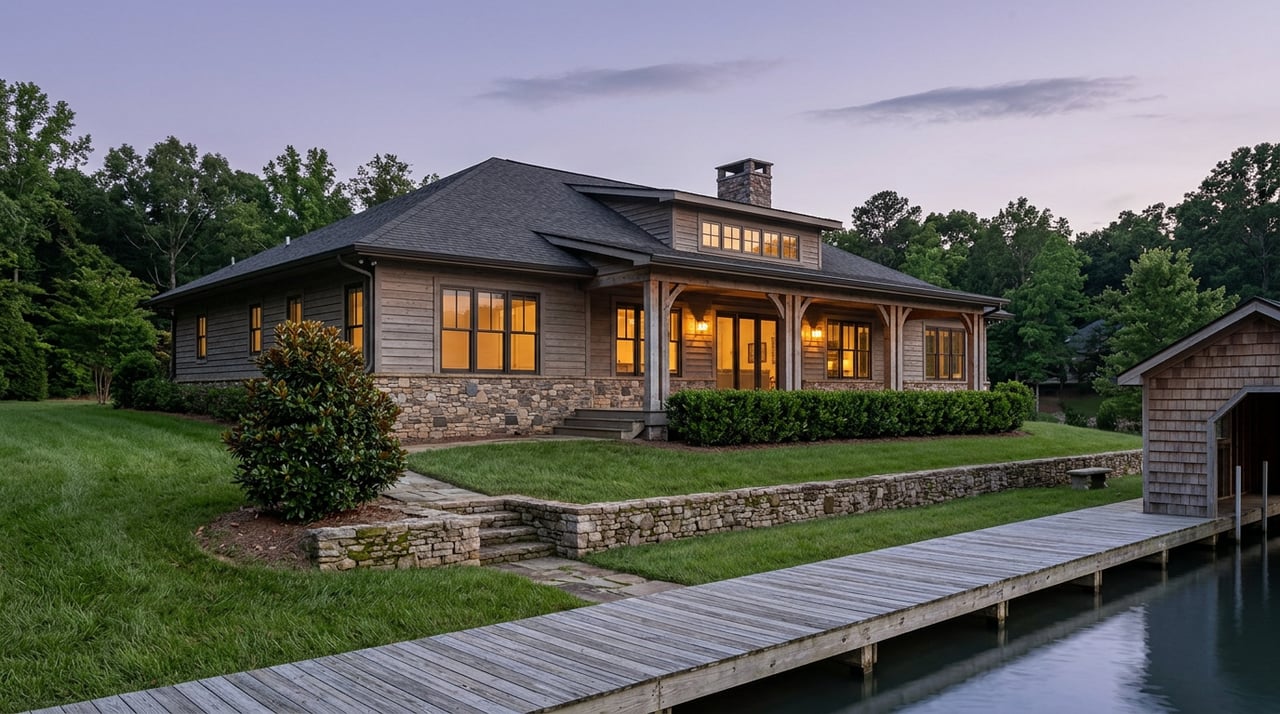
- Lake‑edge and lake‑access neighborhoods. You will see true waterfront, near‑water homes, and communities with shared docks or marina access. Not every lot is dockable. Dock eligibility depends on shoreline classification and Duke Energy permits.
STR and zoning rules to verify first
Zoning and short‑term rental permissions depend on location. If a property sits inside Troutman town limits, the town’s UDO controls what is allowed, so start by confirming jurisdiction with the town’s planning staff. You can reference the Troutman UDO resources to understand the framework.
If a property is outside town limits but still in Iredell County, county zoning applies. Iredell County adopted a short‑term rental zoning amendment in October 2023 with an effective date of January 1, 2024. The county reports that enforcement is currently stayed while litigation proceeds. Before you assume a vacation rental plan will work, verify the latest status with county staff. The county maintains a public page on Iredell County short‑term rental regulations with updates and contact details.
No matter where the home sits, you must also follow state law. North Carolina’s Vacation Rental Act (Chapter 42A) sets baseline rules for vacation rental agreements, handling guest funds, and recordkeeping. Operating a rental without aligning your agreements and accounting to Chapter 42A can create liability you do not want.
Finally, budget for taxes and fees. Sales tax and local room or occupancy taxes can apply to short stays, and counties or towns may require permits or fees. Since local policies can change, confirm the current obligations with Iredell County finance and, if inside town limits, with Troutman as well. The county’s STR page is the best place to start.
Lake access and docks 101
On Lake Norman, dock rights are never a given. Duke Energy manages the lake project boundary and permits private docks, covered slips, and shoreline work. The ability to build or expand a dock depends on the shoreline classification along your lot. Some segments allow private docks, some allow only shared facilities, and some prohibit docks altogether.
Before you make an offer on a waterfront or near‑water property, do three things:
- Ask for the existing Duke Energy dock permit and permit number.
- Confirm the shoreline classification and whether the permit will transfer with the sale.
- Verify any limits on size, lifts, roofs, and expansions you might want later.
Duke Energy explains the rules and permit process on its shoreline permits and activities page. If a dock is central to your plan, this is a make‑or‑break step.
Demand drivers and seasonality
Troutman’s rental demand is anchored by lake time. Properties with convenient water access, usable docks, or quick drives to public ramps tend to outperform in the short‑term market. Proximity to Lake Norman State Park matters too, since the trail system, swim beach, and boat ramp attract families, cyclists, and paddlers.
Seasonality is real around Lake Norman. Average daily rates and occupancy generally climb in late spring and summer, then taper in shoulder months. Winters are slower. Market write‑ups for the Lake Norman area in recent years have referenced mid‑hundreds ADRs and mid‑40s occupancy at the broader level, with premium waterfronts outpacing the averages. Build your model with monthly assumptions, not a flat annual number based on July.
Supply is competitive region‑wide, and performance varies widely by cove, dock setup, and HOA rules. To survey the landscape, you can scan vacation‑rental aggregators for Lake Norman listings, then cross‑check with local managers for more accurate occupancy data. A broad view of listings is available on HomeToGo’s Lake Norman page, but always pair that with on‑the‑ground insight.
Operating costs to model up front
Your pro forma should be conservative and include the most common line items for Lake Norman rentals.
- Professional property management. Full‑service short‑term rental management commonly runs about 20 to 30 percent of gross revenue. Higher‑touch programs that include inspections, revenue management, and concierge support typically sit on the higher end of that range.
- Cleaning and turnover. Budget per‑stay cleaning for STRs or monthly housekeeping for hybrid use. Many owners end up around 10 to 20 percent of revenue once all turnover costs and supplies are included.
- Utilities and supplies. Owners usually cover electricity, water, internet, and streaming or cable for STRs. Expect higher bills during peak occupancy months.
- Insurance. Standard homeowner policies do not include flood coverage and may not cover short‑term rental liability. Price STR or landlord policies with your insurer and consider a separate flood policy if needed. If a property touches low‑lying areas, check the FEMA Flood Map Service Center for the exact flood zone before you bind coverage. The federal map tool is here: FEMA Map Service Center.
- HOA dues and community fees. HOA costs vary and can include shared‑dock maintenance or community amenities. These reduce net yield and should be built into your cap‑rate math.
- Taxes and local fees. Sales tax, occupancy tax, and any local STR permit or lease fee can apply. Confirm current rates and remittance schedules with Iredell County and the Town of Troutman where applicable. Start with the county’s STR resources.
Troutman vs. other Lake Norman towns
- Troutman. Lower median purchase prices, direct access to Lake Norman State Park, and a quieter feel. Strong fit if you want lower entry cost and a recreation‑driven audience. Always verify dock eligibility on a lot‑by‑lot basis.
- Mooresville. Larger employment base and retail hub for the north lake. That can support steadier long‑term rental demand from local workers and commuters.
- Davidson and Cornelius. Generally higher price tiers and strong premium‑waterfront demand near town centers and established neighborhoods. Acquisition costs and competition tend to be higher, and some submarkets have tighter HOA or municipal constraints on short‑term use.
Whichever town you compare, judge each property by price per usable bedroom, dock or launch status, HOA rental rules, realistic seasonal ADR and occupancy, and net yield after management, HOA, insurance, and taxes.
Due‑diligence checklist for Troutman buyers
Use this step‑by‑step list to keep your process tight and objective.
- Confirm jurisdiction and rules
- Is the parcel inside Troutman town limits or in unincorporated Iredell County? If inside town limits, the Troutman UDO applies. Start with the Troutman ordinances and request a jurisdiction confirmation letter from planning staff.
- Short‑term rental status today
- Ask Iredell County Planning if the county’s STR amendment is being enforced at the parcel now, and whether a permit or fee is required. If inside Troutman, ask the town what is required to operate a rental. Check the county’s STR page for updates.
- HOA and covenants
- Obtain full CC&Rs, amendments, and written confirmation of rental policies. Look for minimum stays, caps, or bans. Ask about any pending rule changes before you close.
- Shoreline and dock status
- Request all existing Duke Energy dock permits, shoreline classification details, and proof of permit transferability. Duke’s rules and application process are detailed on the shoreline permits page.
- Septic, well, or municipal utilities
- Many older lake‑area homes rely on septic and well. Order a septic inspection and water test. If the property is on town water or sewer, ask for connection records and average bills. Iredell County’s zoning and permits resource can help you navigate the process.
- Flood zone and insurance quotes
- Search the property address in the FEMA Map Service Center and request sample quotes for homeowners, STR or landlord coverage, and flood. If a Special Flood Hazard Area applies and you plan improvements, ask for an elevation certificate.
- Taxes and local fees
- Confirm current sales tax, occupancy tax, and any county or town STR fees. Ask the county for remittance timing and filing steps. The Iredell STR page lists contacts.
- Safety, permits, and inspections
- Confirm any building, electrical, plumbing, or fire requirements tied to rental operations. Align your rental agreement and trust‑account handling with North Carolina’s Vacation Rental Act.
- Local manager proposals
- Request 2 to 3 itemized management proposals that include commission rate, cleaning fees, maintenance reserves, occupancy and ADR comps, and a sample monthly owner statement under conservative and optimistic scenarios.
- Legal and tax review
- Before you close, ask a North Carolina real estate attorney and a CPA familiar with STRs to review your plan, entity structure, and compliance steps.
A practical path forward
If Troutman fits your budget and lifestyle goals, the next step is to match the property to your plan. Decide first if your priority is personal use, short‑term income, or a steady long‑term lease. From there, verify jurisdiction and STR rules, confirm dock status with Duke Energy if water access is key, and build a conservative operating budget that reflects seasonality.
When you are ready, partner with a local team that understands both the lake and the numbers. As a full‑service Lake Norman brokerage with short‑term and long‑term property management, Southern Charm Realty & Retreats can help you source the right Troutman property, underwrite it with realistic comps, and operate it with systems built for guest experience and owner peace of mind.
FAQs
Are short‑term rentals allowed in Troutman and Iredell County?
- Rules differ by location; Troutman town limits follow the town UDO, while Iredell County’s STR amendment is in a paused enforcement posture pending litigation, so confirm current requirements with the county and town before you buy.
How do I confirm if a Troutman lot is dockable on Lake Norman?
- Ask for the existing Duke Energy dock permit, verify shoreline classification, and confirm if the permit transfers with the sale using Duke’s shoreline permits guide.
What operating costs should I expect for a Lake Norman vacation rental?
- Common items include 20 to 30 percent management fees, 10 to 20 percent for cleanings and supplies, owner‑paid utilities, HOA dues if applicable, insurance tailored for STRs, and sales plus occupancy taxes.
How does seasonality impact Troutman rental revenue?
- Lake Norman markets typically see peak ADRs and occupancy in late spring and summer, softer shoulder seasons, and slower winters, so model cash flow month by month rather than annualizing peak months.
What inspections are critical for Troutman waterfront or near‑water homes?
- Order septic and well inspections if applicable, review Duke Energy dock permits, and check the FEMA flood map for flood zones before binding insurance.
Who controls zoning for a property near Troutman?
- Properties inside town limits follow Troutman’s UDO, and those outside fall under Iredell County zoning, so first confirm jurisdiction using the town’s ordinance resources and county contacts.